Designing the in-between: where indoors meets outdoors

There’s something intangible about residential spaces in Colorado that blur the line between inside and out. In both my work and my own space, I’ve seen seen how thoughtfully connecting indoor and outdoor living areas makes a home feel more expansive, breathable and alive. As a Boulder residential architect, this seamless relationship with nature is central to nearly every project I design.

Start with placement and purpose
One of the first things to consider is where the outdoor space connects to the interior and what you hope to accomplish. In most cases, I recommend placing it adjacent to the main family living area, visually connected through large windows or sliding doors. A covered seating area off the living room and kitchen feels like a natural extension of the home—readily accessible and, therefore, used often.
In contrast, when an outdoor space is connected to a bedroom, it becomes a private retreat—an extension of the room’s quiet, restful character. Even if it’s used less frequently, it offers a meditative moment: a place for morning coffee, reading, or simply stepping outside in solitude.
At my place, the covered porch is just off the entry—but there aren’t any direct doors or windows connecting it to the interior. I love that about it. It feels a bit removed, almost like its own little escape.
Design with lifestyle in mind
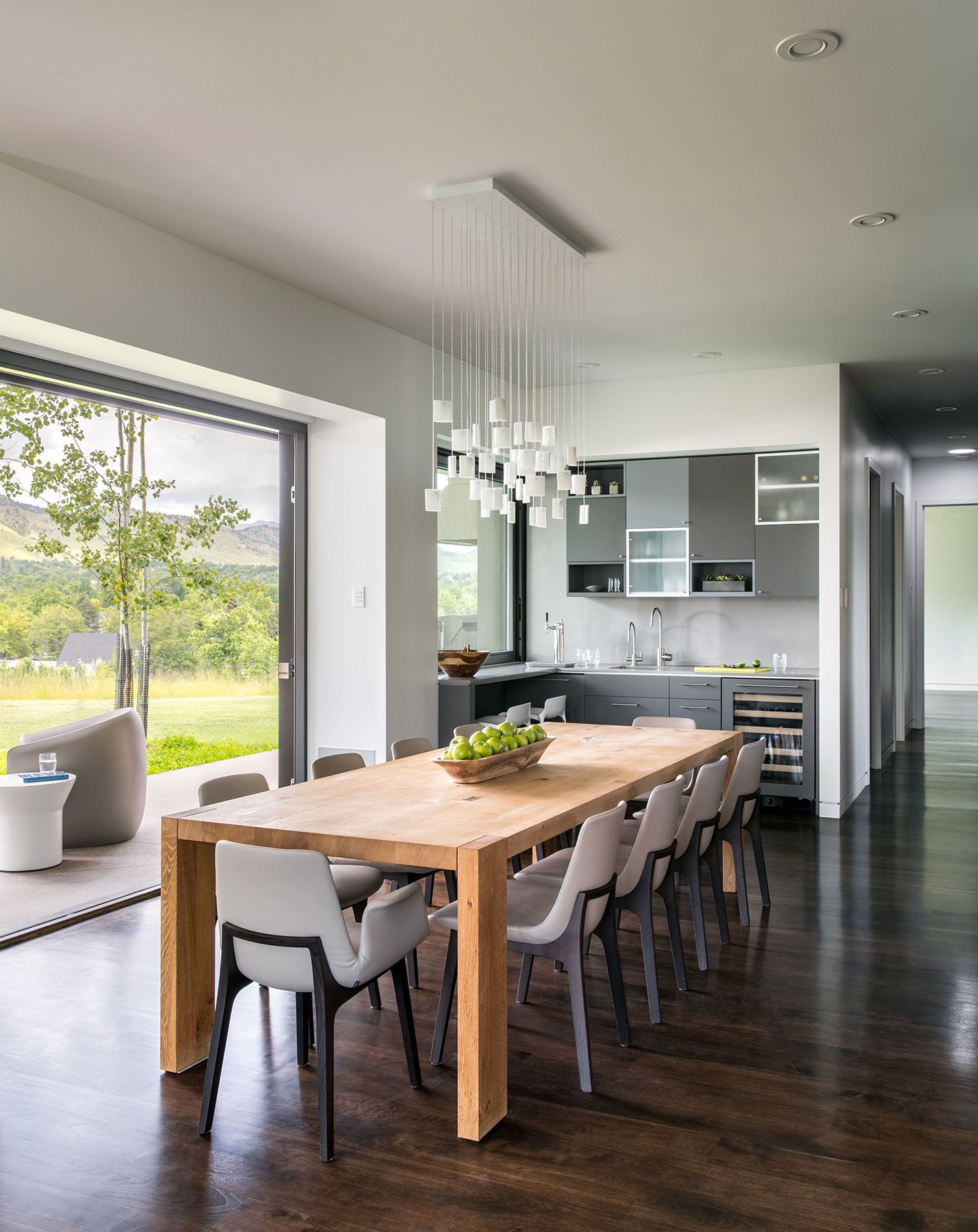
It’s important to identify what type of experiences you want to have. Some families want casual dinners on the patio and weekend lounging, while others want full-blown outdoor kitchens, built-in bars and pizza ovens. Depending on the desired outcome, the solution might be to add wide doors off the dining room to create the feeling of dining in the open air—without ever leaving the dining room. Whether subtle or bold, these design choices create a more seamless experience—one where daily life naturally spills into the outdoors.

Connect spaces with visual unity`
I love to erase the boundary between indoors and out with large openings like sliding, folding or pocketing doors. Unified materials, like matching flooring or ceiling finishes, maintain a consistent palette, making the spaces feel like one. Keeping flooring levels flush furtherenhances the sense of flow. While these choices might seem subtle, they’re incredibly effective at creating a space that feels just right.

Make it comfortable, year-round
Comfort in outdoor spaces oftentimes comes down to atmosphere. Shade is non-negotiable in Colorado. There are clever ways to block wind too, like tucking the area into the house on multiple sides to create a cozy room-like feel. Flush-mount ceiling heaters, fireplaces and firepits can extend the season well into the cooler months, and naturally draw people together. A built-in sound system can enhance the vibe. Miniature downlights, tiny accent lights or any type of soft lighting can set the tone and avoid making anyone feel like they’re sitting in direct sun.

Let nature do the work
Nature is a powerful connector. Framing mountain views, adding garden beds, or placing trees to rustle in the breeze can evoke calm and presence. Elements like climbing vines, water features, or even potted herbs introduce scent, movement, and sound—making the space feel immersive and alive. Thoughtful placement of greenery can also soften edges, provide privacy, and blend architecture into its natural surroundings.

Great indoor-outdoor living doesn’t happen by accident. It’s the result of intentional design, where architecture, lifestyle and comfort all work in harmony. When these spaces are done well, they expand what home can feel like. If you’re considering ways to enhance the connection between your indoor and outdoor spaces, we’d be happy to help you explore the possibilities. And if you’re looking for a Boulder residential architect, we understand how people truly live in Boulder and how to design for the Colorado landscape.