
Indoor air quality starts with design
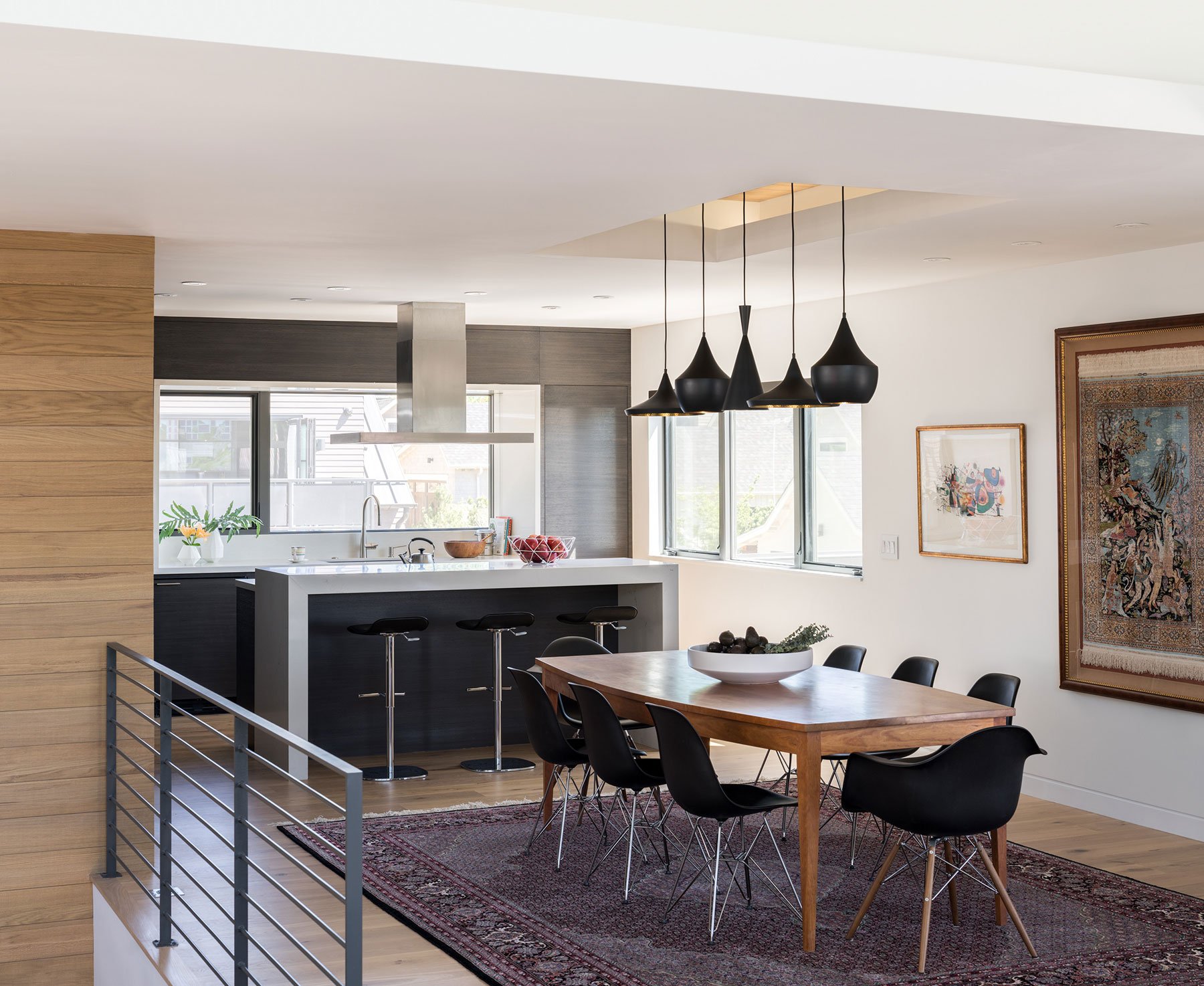
Residential design choices—from fresh-air systems to low-VOC materials—play a major role in indoor air quality. Even beautifully designed homes can trap pollutants from cooking, off-gassing materials and everyday living. Clean indoor air doesn’t happen by accident; it’s the result of thoughtful planning from the very beginning. Working with a boulder architect, residential expert helps ensure healthy-air strategies are integrated seamlessly, without compromising comfort or style.
Why Opening a Window Isn’t Enough
Many homes lack a dedicated fresh-air system, and even when one exists, it’s often insufficient to remove indoor pollutants. Opening a window is unreliable—especially in winter, at night or during wildfire season—while standard HVAC systems only introduce fresh air when heating or cooling is active.
What’s needed instead is a separate, balanced system designed specifically to manage indoor air: one that continuously brings in fresh, filtered air while exhausting stale air.
Working With a Boulder Architect, Residential Design
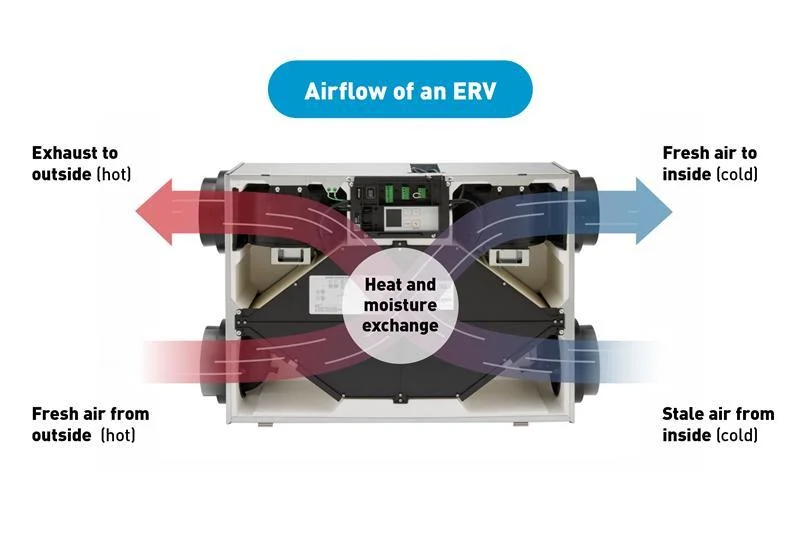
In Colorado, one of the most effective approaches is an Energy Recovery Ventilator (ERV) dedicated to delivering fresh air and controlling moisture. ERVs supply fresh air to bedrooms and living spaces while removing stale air from kitchens and bathrooms. Because they’re balanced systems, they maintain steady airflow without pressurizing or depressurizing the home, all while recovering heat or cooling from outgoing air.
Once a well-designed fresh-air system is in place, the next step is addressing other contributors to indoor air pollution—particularly those common in new or renovated homes.
Gas Appliances and Hidden Pollutants

Carbon monoxide is an invisible, odorless, and potentially deadly gas produced by poorly vented fireplaces, stoves and dryers. Reducing or eliminating combustion sources is one of the simplest ways to improve indoor air quality.
Induction cooktops can reduce exposure to pollutants like nitrogen dioxide by up to 90 percent, while electric dryers avoid combustion entirely. If a gas range is used, a high-performance overhead hood paired with proper make-up air is essential.
Less obvious sources matter too. Burning candles indoors releases VOCs, fine particulate matter and toxins such as benzene and formaldehyde—making them another avoidable contributor to indoor air pollution.
The Problem With VOCs
Volatile organic compounds (VOCs) are commonly found in paints, finishes, varnishes, and waxes. When they accumulate indoors, they can contribute to irritation, asthma, allergies and long-term health risks. Reducing exposure starts with selecting low- or no-VOC products and pairing them with good ventilation.
One standout option is Alkemis Paint, a Cradle to Cradle Certified mineral paint made without plastics, VOCs or toxic chemicals. It offers rich, long-lasting color, resists mold, supports healthier indoor air and can last 20 years or more—making it both a durable and responsible choice.
Plastics, Vinyl, and Hormone Disruptors
Phthalates are chemicals commonly found in plastics and vinyl products such as shower curtains, vinyl flooring and synthetic furnishings. These compounds are known hormone disruptors and may impact fertility and child development.
Reducing exposure starts with material choices. For flooring, solid wood, cork, tile, linoleum or natural rubber are healthier alternatives to vinyl or PVC. For furniture and textiles, look for FSC-certified wood and natural fibers like wool or cotton instead of treated synthetic fabrics.
Off-Gassing in Furniture and Upholstery
Formaldehyde is often present in cabinets, furniture, mattresses, fabrics, and some flame retardants. Long-term exposure has been linked to respiratory irritation and cancer, making it especially important to address in new homes where off-gassing is most intense.
While it’s difficult to eliminate formaldehyde entirely, choosing formaldehyde-free or naturally finished materials helps reduce risk. Proper ventilation plays an equally important role by diluting and removing airborne chemicals before they build up. When selecting products, ask manufacturers about adhesives, dyes, and finishes, and look for third-party certifications such as Made Safe, GreenGuard or Oeko-Tex.

Moisture, Mold, and Air Quality
Mold and fungi thrive in damp, poorly ventilated spaces like bathrooms and basements, where they can trigger allergies and respiratory issues. Mold can also develop along exterior walls that aren’t properly insulated or where thermal bridges—such as metal studs or concrete slabs—draw cold air toward interior surfaces.
Even in Colorado’s dry climate, moisture control matters. Well-insulated assemblies paired with continuous fresh-air systems help prevent mold growth before it starts.
Radon: An Invisible Risk
Radon is a naturally occurring gas and a known concern in Colorado. It enters homes through cracks in foundations, and long-term exposure increases the risk of lung cancer. The most effective solution is an active radon mitigation system installed beneath the basement slab that continuously vents radon safely above the roof.
Passive House: Efficiency Meets Air Quality
For homeowners prioritizing both energy efficiency and indoor air quality, Passive House offers a powerful framework. Passive House standards require a dedicated, balanced HRV or ERV system that provides continuous fresh air year-round. These homes also rely on a super-insulated, airtight envelope, reducing heating and cooling energy use by up to 90 percent.
The result is lower utility bills, exceptional comfort and consistently clean indoor air. As a recently certified Passive House tradesperson, I’m impressed with the Passive House standards.

A Healthier Home, Step by Step
Improving indoor air quality doesn’t have to be all-or-nothing. Start with better ventilation, reduce combustion sources and choose safer materials. Each decision builds toward a home that feels healthier, more comfortable and better aligned with how you live.
Ready to breathe easier in your next home? Work with a boulder architect, residential expert like me who can integrate fresh-air systems, healthier materials and thoughtful design—while keeping your home beautiful and functional.