
Early conversations that shape the home design process

When I begin designing a new home, I start by sending clients a detailed questionnaire. It explores everything from the words they would use to describe their ideal home and how they want to feel within it to the spaces where they spend the most time. My goal is to understand their vision and how their routines shape their daily lives.
The most useful insights often come from seemingly small details. For example, I like to understand each partner's morning routine, including whether they wake at the same time and even which side of the bed they sleep on. Details like these help shape the layout of the primary suite. If one person rises earlier than the other, accessing the bathroom and closet from a hallway rather than off of the sleeping area, reducing disruptions and improving comfort. The best design solutions are often rooted in these everyday patterns, and small considerations can have a significant impact on how a home functions day after day.
Understanding the site
Clients often ask if I have floor plan ideas in mind before I begin, but the reality is that the site itself has a tremendous influence on the outcome. Site conditions play a critical role in shaping the home's preliminary massing, placement and organization. Rather than imposing a preconceived plan on a property, I begin by understanding the site's opportunities and constraints.
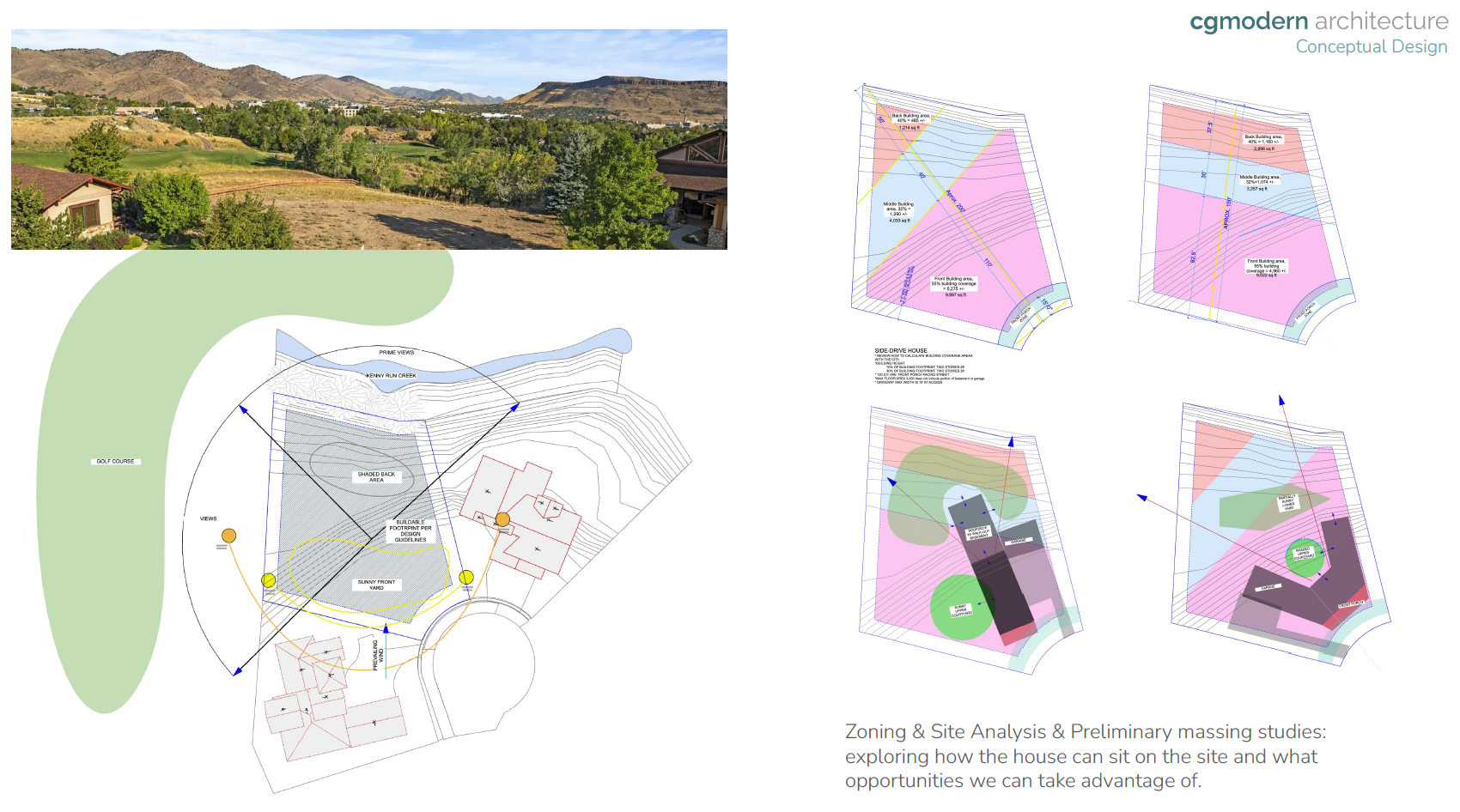
From program to concept
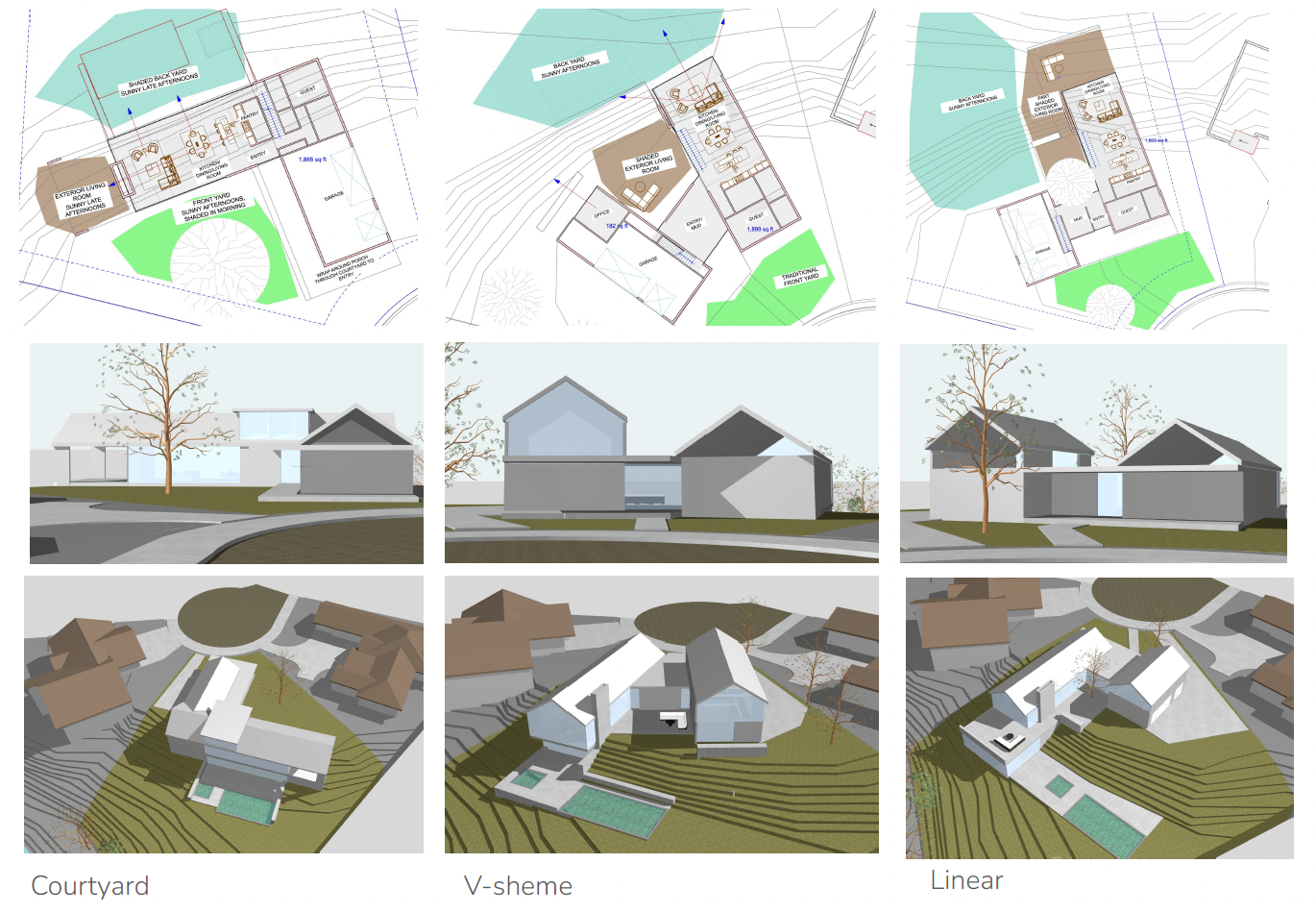
Once I've received the questionnaire responses, I develop a written design program that defines the home's goals, functions and desired size. Using this program as a guide, I create preliminary 3D concepts that explore different building forms and massing strategies on the site.
Together, we evaluate these concepts to determine which approach best responds to both the site and the project's goals. We consider factors such as views, sunlight and shade, while identifying the ideal locations for key spaces like the primary bedroom, living room, kitchen and outdoor living areas. We look for opportunities to create a home that feels both functional and inspiring, with moments of surprise and delight woven into the experience of moving through the space.
Balancing budget and priorities
A key part of the design process is balancing the budget with the project's broader goals. In the early stages, we are still defining the home's size, number of rooms and level of construction quality, weighing these factors to establish the appropriate scope. For example, if a client places a high value on craftsmanship and premium finishes, it may make sense to reduce the overall square footage to stay within budget. Conversely, if maximizing resale value is the primary objective, prioritizing additional rooms and square footage over higher-end finishes may be the better approach.
That said, a thoughtfully designed home can often live far better than a larger home that has not been carefully planned. In many cases, quality of design has a greater impact on the daily experience of a home than size alone.
Early coordination
Getting consultants and contractors involved early helps create a smoother path for both design and construction decisions. Once the preliminary design is complete, I like to bring other team members on board. With an early schematic design set, we can ask a few contractors to provide a rough cost estimate based on similar projects. While there is not yet enough information for detailed subcontractor pricing, these early estimates help confirm whether the project is aligned with the desired budget.
This initial pricing serves two important purposes. First, it allows us to make adjustments before investing significant time in further design development. Second, it gives homeowners the opportunity to meet several contractors and select the right fit for the project.
As the design progresses, ongoing input from the contractor helps inform design decisions, maintain budget alignment and ensure the project is incorporated into their construction schedule.
Once any necessary design adjustments have been made, additional consultants such as the structural engineer, landscape architect and other specialists can be brought onto the team as needed.
Permitting strategy
Designing and building a custom home takes time. Creating a one-of-a-kind home that elevates everyday living requires careful thought, coordination and attention to detail. Since permitting in the City of Boulder is notoriously time-consuming, we often submit for a permit before interior design and exterior detailing are fully developed, as they are not typically required for review. This keeps the approval process moving while we continue refining the design. Likewise, involving the contractor and key subcontractors, such as mechanical engineers, early helps streamline coordination, identify potential issues before construction starts and create a more efficient and predictable building experience.
Every home begins with a conversation. Let’s bring your dream into focus together.