The Beauty of Mountain Modern Homes

Being in a state as striking as Colorado, it’s no surprise that people are drawn to homes that feel rooted in place, reflecting the culture, history and natural beauty. Mountain modern homes respond directly to this context, prioritizing connection to the environment through framed views, natural light and materials that reflect the landscape. At the same time, modern design brings clarity through clean lines, open spaces and a sense of calm that creates a peaceful sanctuary.
Mountain modern design begins with understanding Colorado’s history and landscape, then layering in principles of modernism. The state’s architectural roots trace to the Gold Rush era, when tough, independent settlers created cabins in unforgiving landscapes. Early homes were simple and practical, including log cabins, sod houses and stone structures—all built from readily available materials and designed for survival and efficiency.
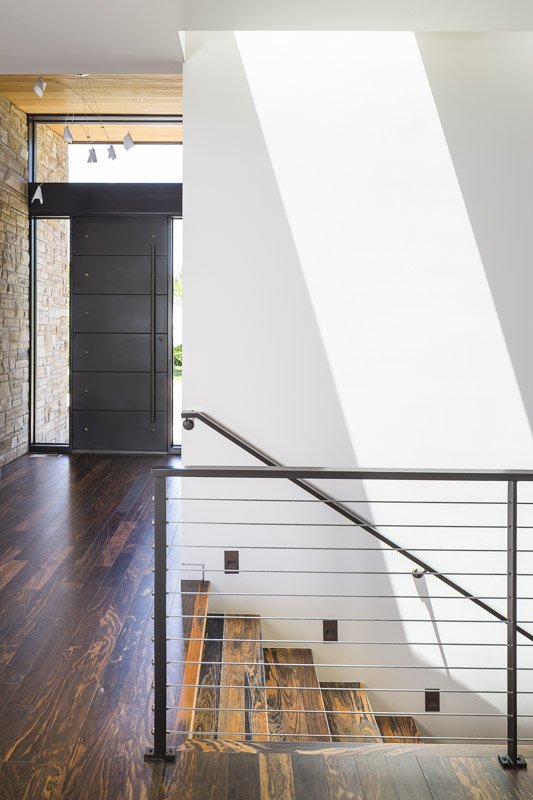
That ethos continues to inform regional mountain modern design, resulting in homes that feel honest, intentional and in tune with their natural surroundings. You see this carried through in mountain modern homes today, where materials are used authentically, with wood that naturally weathers and stone that feels grounded. The overall design stays simple and context-driven rather than overly decorative. These homes are designed with the land in mind, set to take in views and create an easy flow between indoor and outdoor living.
Colorado’s original settler spirit has evolved into a culture of outdoor recreation—hiking, biking, rafting, skiing and more—all engaging with the same rugged landscape in a new way. Homes reflect this shift, serving as launch points for this lifestyle, incorporating features like mudrooms, gear storage, durable materials and seamless transitions between inside and out.

What Defines Mountain Modern Homes
Sometimes referred to as mountain contemporary, mountain modern design blends the rugged character of alpine landscapes with the restraint of modern architecture. It takes familiar, grounded materials and pairs them with clean forms, natural light and thoughtful simplicity to create a home that feels both connected to nature and distinctly refined.
Defined by a careful refinement of tradition, rustic materials and familiar forms are present but curated and simplified, elevating what once felt heavy or overly rustic into something lighter and more sophisticated.
Expansive windows and open layouts are central to this approach, allowing natural light to fill the home while framing the surrounding landscape. Spaces are designed to flow easily between indoors and out, reinforcing a lifestyle centered in the outdoors and making the views an active part of daily living.

Use of Materials
Natural materials remain essential, but they are used with greater restraint and purpose. Wood appears in flooring, cabinetry and structural elements, often paired with stone in fireplaces, countertops and exterior features. Metal accents add contrast and clarity, while softer textures like natural fibers, leather and woven materials bring warmth and balance through interior design.
Finishes are often custom and nuanced—unique wood species, tailored stains and subtle detailing that add depth without overwhelming the simplicity of the architecture. Rather than recreating a traditional cabin aesthetic, the goal is an elevated version of it: comfortable, durable and timeless, but more refined in its expression.
Creating fire-resistant homes has also become an essential part of building in Colorado, with a more preventative and cautious approach shaping design decisions from the start. Non-combustible materials, careful detailing and defensible space strategies all work together to respond to increasing wildfire risk, while still preserving a strong and intentional tie to nature.

Refined Rustic Craftsmanship
Ultimately, modern design and early settler pragmatism share a common thread of clarity and restraint, coming together in homes that are quietly attuned to life in the mountains. If you’re interested in starting this approach for your own project, let’s start a conversation.